

Learn how to register your car in California with our comprehensive guide. From understanding the essential VIN (Vehicle Identification Number) verification process to gathering required documents, choosing the right registration type, and passing inspections, we cover it all. We’ll also walk you through post-registration formalities and keeping your records up-to-date. Ensure a smooth experience by mastering each step, especially the crucial vin verification.
- Understanding the Vehicle Identification Number (VIN) Verification Process in California
- Gathering Required Documents for Car Registration in CA
- Choosing an Appropriate Registration Type and Fees
- Submitting Applications and Passing Inspection
- Completing Post-Registration Formalities and Keeping Records Updated
Understanding the Vehicle Identification Number (VIN) Verification Process in California

In California, understanding the Vehicle Identification Number (VIN) verification process is crucial for a successful car registration. VIN is a unique 17-character code that identifies your vehicle’s make, model, and year. When registering a car in California, you’ll need to provide this number to ensure the vehicle’s authenticity and history. The state requires a vin inspection or mobile vin verification to confirm that the vehicle matches its recorded details.
A mobile vin inspection or vin inspection service can streamline this process. These services offer convenience by coming to your location to perform the VIN check. This is particularly beneficial for folks with busy schedules or those who prefer not to visit a DMV office. By using these methods, you can ensure that all necessary steps for registration are completed efficiently and accurately, avoiding potential delays or issues down the road.
Gathering Required Documents for Car Registration in CA
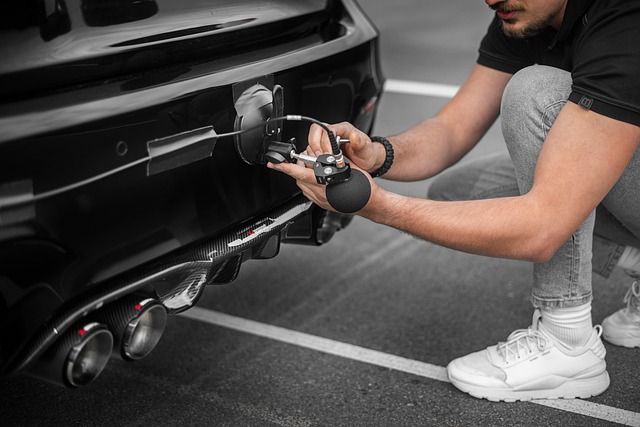
Before you start the registration process, make sure to gather all the necessary documents for car registration in California. This includes your vehicle’s Registration Application (Form DVF 14), which can be obtained from the California Department of Motor Vehicles (DMV). Additionally, you’ll need proof of insurance, a valid driver’s license, and the Certificate of Title (or Proof of Ownership) secured through a title search or previous registration.
Another crucial step is to ensure accurate VIN verification. You can do this by obtaining a vehicle history report from reputable services, or opt for a mobile vin inspection or mobile vin verification service for added convenience. The Vehicle Identification Number (VIN) is unique to each car and contains vital information about the vehicle’s make, model, and history—all of which are essential during the registration process to ensure everything checks out.
Choosing an Appropriate Registration Type and Fees

When registering your car in California, understanding the different registration types is crucial. The options vary based on vehicle age, use, and ownership status. For instance, private passenger vehicles have distinct requirements from commercial or classic cars. Within each category, you’ll find various fee structures influenced by factors like vehicle weight and emission standards. One essential step in this process is completing a Vehicle Identification Number (VIN) verification. This ensures the vehicle’s authenticity and helps calculate accurate registration costs.
Choosing the right registration type not only saves you money but also simplifies the overall registration process. While traditional VIN inspections might require visiting a DMV office, modern alternatives like mobile VIN inspection services offer convenience. These services send a trained professional to your location for on-site VIN verification, making it easier and more flexible for car owners in California.
Submitting Applications and Passing Inspection

After gathering all necessary documents, it’s time to submit your applications for vehicle registration. This process typically involves filling out forms with accurate and complete information about your car. Make sure to double-check details such as the Vehicle Identification Number (VIN), ownership status, and any previous registrations. Once submitted, a thorough inspection of your vehicle will be conducted by the California Department of Motor Vehicles (DMV). This inspection ensures that your car meets all safety standards and emissions requirements.
A crucial step in this process is VIN verification, which checks the vehicle’s history and ensures it has not been reported stolen or had any outstanding issues. To streamline this, many individuals opt for a mobile vin inspection or engage the services of a vin inspector, who can provide on-site verification. This saves time and effort, especially if you’re dealing with multiple vehicles or have limited mobility. Remember to stay organized and keep all your records handy to facilitate a smooth registration process.
Completing Post-Registration Formalities and Keeping Records Updated

After successfully registering your vehicle with the California Department of Motor Vehicles (DMV), there are several crucial post-registration formalities to complete. One essential step is ensuring your Vehicle Identification Number (VIN) is accurately verified and documented. This process, often facilitated by a mobile VIN verifier or vin inspection service, checks the VIN’s authenticity and ensures it matches the vehicle’s specifications, protecting you from potential fraud. It’s a vital step that helps maintain the integrity of California’s vehicle registration system.
Maintaining accurate records is equally important. Keep detailed documents related to your vehicle’s registration, insurance, maintenance schedules, and any modifications made. These records should be easily accessible for future reference or during interactions with authorized personnel. Regularly updating these documents ensures compliance with DMV regulations and simplifies the process when it comes time for subsequent registrations or other official procedures.
Registering a car in California involves several key steps, from VIN verification to post-registration formalities. By understanding the vehicle identification number (VIN) process, gathering necessary documents, selecting the right registration type, and ensuring all inspections are passed, you can efficiently complete the registration. Don’t forget to maintain updated records for future reference and to avoid any legal issues. This structured approach will help ensure a smooth car registration experience in the Golden State.