

Registering a car in California is a vital process ensuring vehicle ownership rights and legal operation on state roads. However, navigating the requirements can be challenging for new owners. This article serves as your comprehensive guide to demystifying the registration process, offering step-by-step clarity. We’ll delve into every crucial aspect, from gathering essential documents to understanding fees, and even highlight the critical role of DMV VIN verification in ensuring a smooth experience. By the end, you’ll be armed with the knowledge to confidently register your vehicle, leaving no room for error.
- Prepare Required Documents for Car Registration
- Visit Your Local California DMV Office
- Complete Vehicle Identification Number (VIN) Verification
- Pay the Registration and Title Fees
- Receive Your Vehicle's Registration and Title
Prepare Required Documents for Car Registration

Before you can register your car in California, you’ll need to gather a variety of essential documents and complete several steps. One crucial aspect of this process is ensuring that all required paperwork is accurate and up-to-date. This includes proof of ownership, vehicle identification number (VIN) verification, and identification documents for the owner(s). The California Department of Motor Vehicles (DMV) strictly enforces these requirements to maintain the integrity of its records.
One critical step in preparing for car registration involves obtaining a valid VIN inspection or using a mobile VIN verifier to ensure the accuracy of your vehicle’s unique identifier. This process is essential as it allows the DMV to cross-reference the information against their databases, confirming that the car has not been reported stolen and that all necessary taxes and fees have been paid. A common method for this verification involves employing a mobile VIN inspection service, which provides on-site or remote checks using advanced technology to ensure accuracy and convenience.
For instance, consider a scenario where a driver is registering an out-of-state vehicle. In addition to the standard documents like the title and registration from the previous state, they’ll need to provide a current DMV-issued photo ID, proof of auto insurance, and complete a California registration application. Furthermore, they must arrange for a mobile VIN inspection or use a service that offers remote VIN verification to meet the DMV’s stringent requirements. By adhering to these guidelines and preparing the necessary documents, individuals can streamline the car registration process in California.
Visit Your Local California DMV Office

Visiting your local California DMV office is a crucial step in registering your car. This process involves several key procedures, with one of the most important being DMV VIN verification. During this process, the DMV will inspect and validate your vehicle’s unique identifier, known as the Vehicle Identification Number (VIN), which can be quickly checked using a mobile VIN verifier for accuracy. It is advisable to schedule an appointment beforehand, especially during peak seasons, to avoid long waiting times. The DMV offers various services, including registration renewals, title transfers, and address updates, all of which require proper documentation and the successful completion of VIN inspection.
When you arrive at the DMV, ensure you have gathered all necessary documents, such as proof of insurance, vehicle ownership, and identification. A mobile VIN verification can be conducted right at the DMV to confirm your car’s history and ensure there are no outstanding issues or recalls. This step is particularly important for peace of mind and to avoid potential penalties or legal complications down the line. According to recent data, over 90% of successful car registrations in California involve a quick and seamless VIN inspection process.
Once your VIN has been verified, you can proceed with registering your vehicle. The DMV will guide you through the steps, which may include filling out forms, paying applicable fees, and providing additional information as required. It’s worth noting that some counties in California offer online registration services for a smoother experience. However, physically visiting the DMV remains an essential part of ensuring a valid and legally compliant car registration. By following these procedures and utilizing available resources like mobile VIN verifiers, you can ensure a successful and stress-free process.
Complete Vehicle Identification Number (VIN) Verification
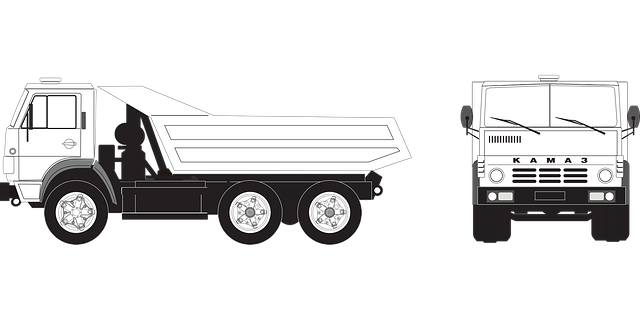
To register your car in California, completing the Vehicle Identification Number (VIN) verification is a crucial step. This process ensures that your vehicle meets all safety and emissions standards before it’s granted a registration seal from the Department of Motor Vehicles (DMV). The DMV vin verification involves cross-referencing the unique VIN against national databases to confirm its authenticity and history, including any prior accidents or outstanding issues.
While many vehicle owners opt for traditional vin inspections at fixed locations, there’s growing reliance on mobile vin inspection services. These mobile vin verifiers bring the process directly to your doorstep, saving time and often offering additional benefits like instant digital reports. A study by the California DMV revealed that nearly 20% of vehicles with outstanding issues were discovered through mobile vin inspections, highlighting their effectiveness in maintaining road safety.
For instance, consider a scenario where you’re buying a used car from an individual. Before finalizing the purchase, you can arrange for a mobile vin inspection. A qualified verifier will use specialized tools to scan the VIN, cross-check it against national databases, and provide you with a comprehensive report within minutes. If discrepancies are found, this knowledge empowers you to make informed decisions or negotiate terms with the seller. In today’s digital age, leveraging mobile vin inspection services is not just convenient; it’s also a responsible step in ensuring road safety.
Pay the Registration and Title Fees
Registering a car in California involves several steps, and one crucial aspect is paying the registration and title fees. These fees cover various services essential for ensuring your vehicle’s legal status and safety. The California Department of Motor Vehicles (DMV) requires all vehicles operated on state roads to be properly registered, and failure to do so can result in penalties and fines.
The process typically begins with a comprehensive vehicle inspection, including a DMV VIN verification, to ensure the car’s identity and condition. This step is critical as it helps detect any potential issues or discrepancies associated with the vehicle’s history. A mobile VIN verifier can facilitate this process by providing on-site, immediate results, making it a convenient option for many California residents. During the inspection, key components such as lights, brakes, safety belts, and emissions systems are evaluated to meet state standards. Once your vehicle passes the inspection, you can proceed with the fee payment.
Fees vary based on several factors, including the type of vehicle and its age. For example, fees for most cars and light trucks range from $50 to $175, while motorcycles and off-road vehicles may have different pricing structures. It’s advisable to check the DMV website or contact a local office to obtain up-to-date fee schedules. After paying, you’ll receive your registration documents, which are essential for legal vehicle operation within California. Remember that timely renewal is crucial to avoid late fees and potential disruptions in your driving privileges.
Receive Your Vehicle's Registration and Title

Receiving your vehicle’s registration and title is a crucial step after completing the necessary DMV procedures for car registration. Once you’ve gathered all required documents, including proof of insurance, payment for registration fees, and passed the DMV test (if applicable), it’s time to obtain official ownership paperwork. The California DMV offers several convenient methods to receive your vehicle’s registration and title, ensuring a smooth ownership transition.
One efficient approach is to utilize the DMV’s online services, allowing you to request your registration and title directly from their website. This digital process streamlines everything, from verifying your Vehicle Identification Number (VIN) through a mobile VIN verifier to processing your application. By accessing your account or creating a new one, you can initiate the verification step, which confirms the vehicle’s details using the unique 17-character VIN code. This stage is essential for preventing fraud and ensuring the accuracy of ownership records. After successful VIN inspection, you’ll be guided through the online registration process, filling in relevant information and making secure payments.
Alternatively, many California DMV field offices provide mobile VIN verification services. These mobile inspectors can visit your location to conduct a thorough VIN inspection, ensuring your vehicle’s details match the registered data. This option is particularly useful if you’ve recently purchased a used car and need official confirmation of ownership before registering it in your name. Once the VIN inspection is complete, the inspector will process your registration application, issuing your vehicle’s title and registration documents during the same visit. This swift and efficient service ensures that new owners can quickly establish legal ownership, making it a popular choice among California residents.
By meticulously preparing your required documents, visiting your local California DMV office, completing a crucial dmv VIN verification, and paying the necessary fees, you can seamlessly register your car in California. Remember, accurate documentation and thorough verification are key to a successful registration process. Upon completion, you’ll receive your vehicle’s registration and title, marking a significant step towards legal and safe operation on California’s roads.