

Registering a car in California is not just a bureaucratic formality—it’s a crucial step for any new vehicle owner. The process can be complex, especially with varying requirements and extensive paperwork. This guide aims to demystify the car registration journey, offering expert insights into every step. We’ll walk you through the essential elements, from gathering vital documents to utilizing reliable tools like the DMV VIN verifier, ensuring a seamless experience. By the end, you’ll be equipped with the knowledge to navigate this process with confidence.
- Prepare Necessary Documents for Car Registration
- Visit California DMV: Step-by-Step Process
- Verify Vehicle Identity Using DMV VIN Verifier
- Pay Registration Fees and Register Your Car
- Maintain Your Registered Vehicle's Documentation
Prepare Necessary Documents for Car Registration

Before you begin the registration process for your new or used car in California, it’s crucial to gather all the essential documents and ensure they are accurate and up-to-date. One of the most critical steps in this preparation is verifying the Vehicle Identification Number (VIN) through a trusted source like the DMV VIN verifier or a mobile VIN inspection service. This step is vital as it confirms the vehicle’s identity, history, and any potential recalls or issues.
In California, the Department of Motor Vehicles (DMV) requires a comprehensive set of documents for car registration, including proof of ownership, valid identification, and necessary fees. When preparing your paperwork, ensure that all information matches precisely with the vehicle’s specifications. This includes the VIN, which is a unique code that identifies your car. A mobile VIN inspection service can be particularly helpful here, as it allows you to verify the VIN quickly and conveniently without visiting a DMV office. These services often provide real-time data, offering peace of mind and ensuring you meet all legal requirements.
For instance, when purchasing a used car, a mobile VIN verifier can cross-reference the provided VIN with various databases, including those maintained by manufacturers and government agencies. This inspection not only confirms the vehicle’s authenticity but also provides valuable insights into its history, such as previous owners, maintenance records, and any accidents or significant damage. Such information is essential for making an informed decision and ensuring you acquire a reliable vehicle. Always remember to keep your documentation organized and readily accessible throughout the registration process.
Visit California DMV: Step-by-Step Process
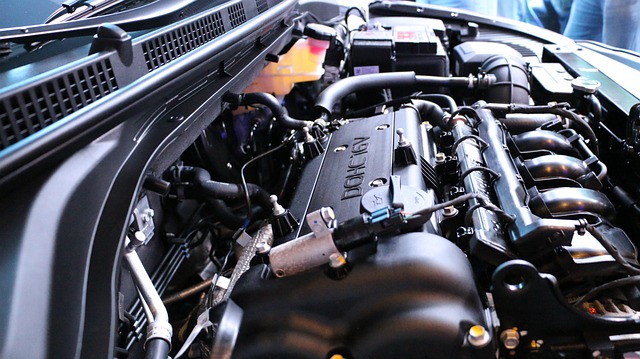
To register your car in California, the first step is to visit a California DMV (Department of Motor Vehicles) office. This process involves several key stages designed to ensure vehicle safety and identify authenticity, using tools like a DMV VIN verifier. Begin by preparing all necessary documents, including proof of ownership, insurance, and identification. Once at the DMV, locate the dedicated registration counter and present your paperwork. A DMV official will verify the information and conduct an inspection, which includes checking the vehicle’s unique Vehicle Identification Number (VIN). They may use a mobile VIN verifier to cross-reference data with state records, ensuring the VIN is valid and matches the listed specifications.
If your car passes the initial inspection, you’ll be directed to the registration counter where you’ll complete an application form. Here, you’ll provide personal details and vehicle specifics like make, model, and year. It’s crucial to ensure accuracy throughout this process, as any discrepancies may delay registration or lead to issues later. After submitting the form, a DMV representative will process your application, generating a registration certificate and license plate if all requirements are met.
For added convenience, California offers mobile VIN verification services. Some third-party providers offer on-site or remote inspections using mobile VIN scanners, allowing for faster processing during busy periods or in remote areas. These services can be particularly useful when you’re pressed for time or face challenges with accessing a traditional DMV office. Remember, timely registration not only keeps your vehicle legally compliant but also ensures uninterrupted use and access to public roads.
Verify Vehicle Identity Using DMV VIN Verifier

Verifying your vehicle’s identity is a crucial step in the car registration process in California, ensuring that you’re providing accurate information to the Department of Motor Vehicles (DMV). One effective method for this critical task is through the use of a DMV VIN Verifier. This tool plays a significant role in authenticating your vehicle’s history and specifications, which can be done remotely using a mobile device or online platform.
A DMV VIN Verifier allows you to confirm key details about your car by simply entering its unique Vehicle Identification Number (VIN). This number is like a fingerprint for your vehicle, containing vital information such as the make, model, year, and manufacturing location. With just a few clicks, this technology provides a comprehensive report, including data from various sources like manufacturer records and national databases. For instance, it can reveal previous owners, accident history, outstanding loans or leases, and whether the vehicle has been reported stolen—all essential factors for establishing a car’s identity.
The process of mobile VIN verification is straightforward. You input your VIN into an approved app or website designed to connect with the DMV database. Within seconds, you’ll receive a detailed report accessible on your smartphone or computer. This method saves time and effort compared to traditional vin inspection methods, which often involve physical visits to dealerships or specialized inspection stations. Furthermore, it reduces potential errors associated with manual record-keeping. By utilizing this digital tool, California residents can streamline their car registration process, ensuring accuracy from the very beginning.
Pay Registration Fees and Register Your Car

Registering a car in California involves several steps, with paying registration fees and registering your vehicle being crucial stages. After completing necessary forms at the Department of Motor Vehicles (DMV), you’ll need to ensure your car meets all safety standards through a DMV vin verifier or mobile vin verification service. This process is designed to confirm your vehicle’s identity using its unique Vehicle Identification Number (VIN).
One key aspect is ensuring timely payment of registration fees, which can be done online, by mail, or in person at most DMV field offices. You may also opt for a mobile vin inspection to streamline the process. Using a trusted mobile vin verifier allows you to verify your car’s history and emissions compliance directly from your smartphone. This method has gained popularity due to its convenience and efficiency, especially for those who prefer non-traditional registration methods.
After confirming your vehicle’s status through a mobile vin verification or other approved means, you can proceed with registering your car. The DMV will issue a registration certificate and license plate, completing the process. Remember, maintaining accurate records and staying up-to-date on registration requirements is essential to avoid penalties and ensure your vehicle remains legally operable. Always consult the official DMV website or contact a local office for specific guidelines tailored to your situation.
Maintain Your Registered Vehicle's Documentation

Maintaining accurate and up-to-date documentation is a crucial aspect of car registration in California. After registering your vehicle with the Department of Motor Vehicles (DMV), it’s essential to keep records organized and readily accessible. One critical document to ensure you have on hand at all times is the Vehicle Identification Number (VIN) inspection report, which includes details such as the VIN, vehicle description, and emissions compliance status. It’s recommended to store this document in a secure digital format for quick reference.
California law requires regular VIN inspections, typically every two years, to verify that your vehicle meets safety and environmental standards. Utilizing a mobile VIN verifier or performing a manual inspection can help you stay compliant without unnecessary DMV visits. These verifiers scan the VIN from your vehicle’s registration documents or on-board computer and cross-reference it with state databases to ensure accuracy. For instance, the California DMV offers its own online tools for checking a vehicle’s history and emissions status, leveraging data from multiple sources including mobile VIN verification apps.
By regularly employing a mobile VIN verifier, you not only streamline the renewal process but also protect yourself from potential issues arising from incorrect or outdated documentation. Remember to retain records of all inspections, as these can serve as proof of maintenance and compliance during future DMV interactions. Staying vigilant in maintaining your vehicle’s documentation is an easy yet powerful way to ensure a smooth registration experience in California.
By meticulously preparing necessary documents, following a structured process at the California DMV, verifying vehicle identity using a trusted DMV VIN verifier, and securely paying registration fees, individuals can efficiently register their cars. Maintaining up-to-date documentation is paramount to ensure compliance with state regulations. This authoritative guide equips readers with the knowledge and steps to navigate the car registration process seamlessly, underscoring the significance of each step for a successful outcome.