

Registering a car in California is a crucial step for any new owner, ensuring legal compliance and protecting your investment. However, navigating the process can be daunting, with its complex requirements and potential pitfalls. This article serves as your comprehensive guide, offering expert insights on every step of the registration journey. From gathering essential documents to understanding unique California regulations, we’ll equip you with the knowledge needed for a seamless experience. Key among these considerations is accurate Vehicle Identification Number (VIN) verification, which plays a vital role in ensuring both the car’s authenticity and your protection as a responsible owner.
- Prepare Required Documents for Car Registration in California
- Understand Vehicle Identification Number (VIN) Verification Process
- Visit a California Department of Motor Vehicles (DMV) Office
- Complete the Car Registration Application Form Accurately
- Pay the Necessary Fees and Receive Your Registration Documents
Prepare Required Documents for Car Registration in California

Before you begin the car registration process in California, it’s crucial to prepare all the required documents. This step ensures a smooth and efficient experience at the Department of Motor Vehicles (DMV). One of the most critical aspects is verifying your Vehicle Identification Number (VIN), which can be done through various methods, including a mobile VIN verifier. Start by collecting essential papers such as the title or lienholder information, proof of insurance, and a valid driver’s license. For out-of-state residents, you might need additional documents like an AB 60 certificate, which confirms your eligibility to register.
A common challenge many drivers face is obtaining accurate VIN inspection results. This is where technology plays a significant role; mobile VIN verifiers offer a convenient solution. These tools enable you to complete the VIN verification process quickly and often remotely. For instance, some apps allow you to simply snap a photo of your vehicle’s VIN plate, which is then cross-referenced with global databases to ensure its authenticity. This modern approach streamlines the preparation stage, making it easier for both individuals and car dealerships.
Additionally, ensure that any existing liens or loans on the vehicle are settled. Lenders often require proof of insurance and registration during the loan process, so having these documents ready beforehand saves time. Keep in mind that California has specific requirements, especially when registering a vehicle with a salvage title. In such cases, additional documentation may be necessary to demonstrate that all legal issues have been addressed. By proactively gathering and verifying your paperwork, you can expect a more seamless registration experience.
Understand Vehicle Identification Number (VIN) Verification Process

Registering a car in California involves several crucial steps, one of which is ensuring accurate Vehicle Identification Number (VIN) verification. The VIN is a unique code that identifies your vehicle, and its verification is essential to ensure the vehicle’s history is clear and matches the details provided by the seller or manufacturer. This process plays a significant role in preventing fraud, ensuring safety, and maintaining record accuracy during the registration procedure.
In California, VIN inspection is typically conducted as part of the registration process. The state requires that vehicles meet specific standards and have no outstanding issues before issuing a registration certificate. A mobile VIN verifier or app can be an efficient tool for this purpose, allowing you to perform a digital VIN scan and retrieve valuable information about the vehicle’s past, including its ownership history, accident records, and any reported damages or mechanical issues. These verifiers provide instant access to comprehensive vehicle history reports, making the verification process quicker and more convenient than traditional methods.
For instance, a mobile VIN inspection app can cross-reference the provided VIN with databases containing information from various sources, including state records, insurance claims, and reporting agencies. This multi-source comparison ensures that any discrepancies or potential red flags are immediately apparent. By utilizing these advanced verification tools, California residents can have greater peace of mind when purchasing a used vehicle, as they can quickly validate the vehicle’s history and identify any hidden issues. It’s advisable to compare different mobile VIN verifiers to find one that suits your needs, offering both accuracy and ease of use during the registration process.
Visit a California Department of Motor Vehicles (DMV) Office

To register your car in California, visiting a local DMV office is a crucial step. This physical interaction ensures you have all the necessary documents and facilitates the critical process of Vehicle Identification Number (VIN) verification. The DMV will cross-check your vehicle’s VIN against their records to ensure its authenticity and history, which is vital for safety and legal compliance.
During your visit, a representative will guide you through the registration process. They may request original documents like the title, registration certificate, proof of insurance, and identification. It’s advisable to bring along these documents in advance to streamline the process. In some cases, a mobile VIN verifier can be utilized to perform this inspection remotely, saving time for both you and the DMV staff. This technology allows for a digital scan of the VIN, which is then cross-referenced against databases to gather vehicle history information, enhancing efficiency.
If your vehicle is out-of-state or has been recently imported, extra measures may be required. The DMV will need to verify the vehicle’s title and source, often necessitating additional documentation. This step is designed to prevent fraud and ensure that all vehicles on California roads meet safety standards. It’s recommended to contact your local DMV ahead of time to understand any unique requirements for your specific situation.
Remember, accurate VIN inspection is paramount in the registration process. It not only safeguards against potential scams but also ensures you have a complete understanding of your vehicle’s history, allowing you to make informed decisions about its maintenance and future value.
Complete the Car Registration Application Form Accurately
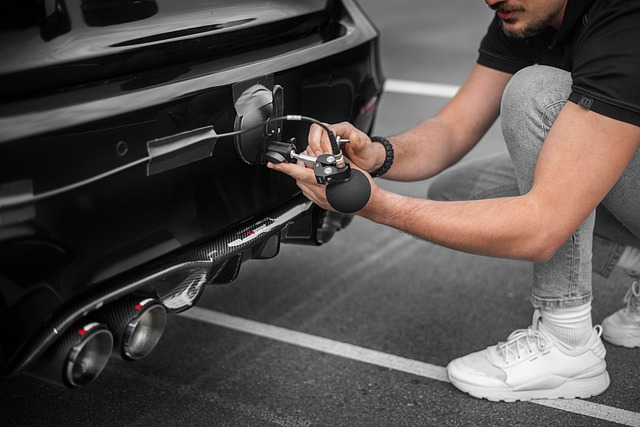
Completing the Car Registration Application Form accurately is a crucial step in the registration process. This form requires meticulous attention to detail, as even minor errors can delay or void your registration. The California Department of Motor Vehicles (DMV) emphasizes the importance of accuracy, stating that incorrect information may lead to issues with future vehicle transactions and insurance claims.
Key elements within the application include your personal data, vehicle details, and ownership history. One critical component is the Vehicle Identification Number (VIN) verification. This unique 17-character code serves as a digital fingerprint for your car. Ensure you obtain a VIN inspection from an authorized provider, such as a trusted mechanic or through mobile vin verification services. This step is vital to prevent fraud and ensure the vehicle’s history aligns with its claims. For instance, a recent study by the DMV revealed that nearly 10% of applications had discrepancies in VIN data, underscoring the need for rigorous verification.
Additionally, when filling out the form, double-check the vehicle’s make, model, year, and license plate number. Inaccurate or missing information can result in delays while the DMV cross-references your data with their records. Consider using a mobile vin inspection app to streamline this process; these apps often provide instant, digital reports that are easily uploadable to the DMV application. By taking care during this phase, you set a solid foundation for a successful registration and avoid potential complications down the road.
Pay the Necessary Fees and Receive Your Registration Documents

After completing your vehicle’s inspection and ensuring all necessary repairs are made, the next step in registering your car in California involves paying the associated fees and obtaining your registration documents. This process requires careful attention to detail and adherence to state regulations. One crucial aspect is verifying the Vehicle Identification Number (VIN) to ensure the vehicle’s authenticity and history.
California allows for various methods of payment, but you’ll need to have your VIN inspection completed beforehand. You can conduct a mobile VIN verification using approved apps or services that connect to national databases to check for any reported issues or accidents linked to the vehicle. This step is essential as it safeguards against registering a car with a potentially compromised history. According to the California Department of Motor Vehicles (DMV), ensuring accurate VIN data helps prevent fraud and ensures safer roads for all drivers.
Upon successful VIN inspection, you can proceed with paying the registration fees. These fees vary based on vehicle type, age, and emission standards met. For example, electric vehicles may have different fee structures compared to conventional gasoline or diesel models. The DMV offers both online and in-person payment options, but it’s recommended to utilize mobile vin verifier apps for convenience and speed, especially if you’re pressed for time. Once your fees are paid, the DMV will process your registration application and issue your official registration documents, which include a registration card and sticker.
Remember, proper documentation is key to a smooth registration process. Keep all receipts and records of your VIN inspection and payment for future reference. By following these steps and ensuring accurate VIN verification, you’ll be well on your way to registering your vehicle in California efficiently and legally.
By meticulously preparing required documents, understanding the VIN verification process, accurately completing application forms, paying requisite fees, and collecting registration documents, Californians can seamlessly register their vehicles. This article has provided a comprehensive guide to navigate the DMV process, ensuring a smooth experience. Key takeaways include the importance of accurate documentation, the central role of VIN verification, and the straightforward procedures for successful registration. Moving forward, individuals should prioritize organizing necessary papers, confirming their vehicle’s VIN accuracy, and visiting a DMV office with confidence, leveraging this authoritative guide as their trusted companion throughout the car registration journey in California.