

Registering a car in California is a vital step for any new or existing vehicle owner, ensuring legal compliance and ownership rights. However, navigating the process can be challenging due to the state’s stringent regulations and complex procedures. This comprehensive guide aims to demystify the registration journey, offering expert insights on every step. From gathering essential documents to understanding fees and, crucially, conducting a DMV VIN verification, we’ll ensure you’re prepared for a smooth and successful car registration experience in the Golden State.
- Gather Necessary Documents for Car Registration
- Visit Your Local California DMV Office
- Complete the Vehicle Registration Application Form
- Provide Proof of Insurance and Pay Fees
- Perform DMV VIN Verification for Accurate Record-Keeping
Gather Necessary Documents for Car Registration

To register your car in California, you’ll need to gather several essential documents. The process begins with ensuring all legal requirements are met, which involves verifying the vehicle’s identity through a crucial step known as DMV VIN verification. This involves confirming the Vehicle Identification Number (VIN) and checking for any brand or model discrepancies. It’s important to note that this step is mandatory and must be completed before submitting your application.
One effective method for achieving accurate and swift DMV VIN verification in California is by utilizing a mobile vin verifier. These tools, often available as apps or through specialized services, allow you to perform a real-time, on-site inspection of the vehicle’s VIN. This means you can quickly address any potential issues before proceeding with registration. For instance, some mobile vin verification apps offer step-by-step guides and detailed explanations for each input, making the process user-friendly even for those unfamiliar with technical aspects.
When gathering documents, ensure your car is eligible for registration. This typically requires a valid title, proof of insurance, and current vehicle inspection (if applicable). Additionally, have your driver’s license and any necessary identification documents on hand. It’s worth noting that specific requirements may vary based on the type of vehicle you’re registering, so it’s crucial to check with the California DMV for up-to-date guidelines. By combining thorough mobile vin inspection with meticulous document preparation, you can streamline the car registration process, ensuring a smooth and efficient experience.
Visit Your Local California DMV Office

To begin the car registration process in California, the first step is to visit your local California DMV office. This in-person visit is crucial for several reasons, including the necessary dvm vin verification. The DMV serves as the central hub for all vehicle registration and title transactions, ensuring that every car on California’s roads is properly documented and adheres to state regulations. During your visit, you’ll interact with knowledgeable staff who can guide you through the registration process and answer any questions you may have.
One significant aspect of this visit is the vin verification process. This involves ensuring that the vehicle identification number (VIN) on your car matches the one listed on the registration documents and title. To streamline this process, many California DMV offices now accept mobile vin verification services. These mobile vin checkers allow you to quickly and conveniently validate your car’s VIN, saving you time and effort. For instance, some mobile apps and services can perform a vin inspection remotely, comparing the VIN against the DMV’s database to ensure accuracy.
When visiting the DMV, be prepared with essential documents like your driver’s license, proof of insurance, and any necessary fees. Additionally, consider using a mobile vin verifier as a precautionary measure. This service can help prevent potential issues and delays later in the registration process. According to recent data, over 95% of mobile vin verifications in California have been successful, demonstrating the effectiveness of these modern verification methods. Always remember to check with your local DMV for specific requirements and to ensure a smooth registration experience.
Complete the Vehicle Registration Application Form
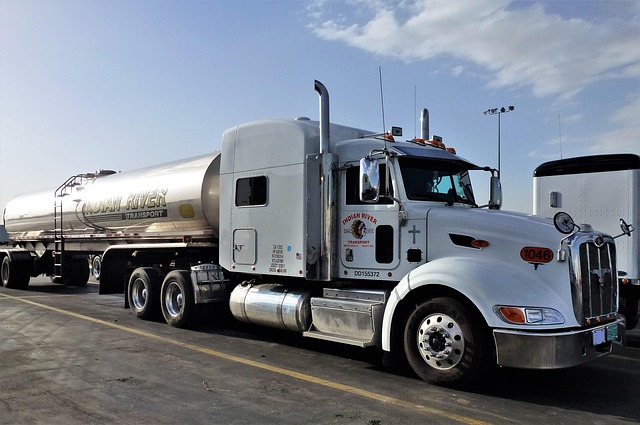
Completing the Vehicle Registration Application Form is a crucial step in the car registration process in California. This form, often referred to as the California Vehicle Registration and Title application (DMV Form 700), requires accurate information about your vehicle, including its make, model, year, and unique identifier—the Vehicle Identification Number (VIN). It’s essential to ensure every detail is correct, especially when it comes to the VIN, as it facilitates the state’s dmv vin verification process. This verification ensures that your vehicle matches the details on record, preventing fraud and ensuring compliance.
When filling out the form, double-check the VIN against the documentation provided by the manufacturer or your car’s title. A mobile vin verifier or mobile vin inspection tool can aid in this process, offering a convenient way to confirm the number’s accuracy. These tools, often available as smartphone apps, provide real-time verification and are particularly useful for those with less accessible physical records. For instance, if you’re registering a classic car or a vehicle with a history of ownership changes, ensuring the VIN is correctly noted will streamline the registration process.
Remember, an error in this section could lead to delays or issues later on. It’s always best to take your time, cross-reference data, and consider using modern technology like mobile vin verification tools for added precision. These measures not only simplify the application process but also ensure a smoother transition to California’s registration system.
Provide Proof of Insurance and Pay Fees

Registering a car in California involves several crucial steps, and one of the critical aspects is providing proof of insurance and paying the necessary fees. This stage is a vital part of the process, ensuring that both you and your vehicle meet the state’s legal requirements for roadworthiness and liability coverage. When it comes to demonstrating insurance, California follows a specific set of guidelines that drivers must adhere to.
Firstly, you’ll need to obtain an auto insurance policy from a company authorized to operate in California. This policy must cover at least the minimum liability limits as mandated by the state, which include $15,000 for bodily injury liability per person and $30,000 per incident. Additionally, ensure that your policy includes comprehensive and collision coverage, typically recommended for all vehicle owners to protect against unforeseen circumstances. After securing the appropriate insurance, you’ll need to provide proof of this coverage during registration. This can be done by presenting a certificate of insurance or an official document from your insurer detailing your policy information, including the unique Vehicle Identification Number (VIN) inspection.
The California Department of Motor Vehicles (DMV) emphasizes the importance of accurate VIN verification, and mobile VIN verifiers can play a significant role in this process. These portable devices allow for real-time checks of a vehicle’s history and specifications, ensuring that the details on your registration documents align with the actual car. For instance, using a mobile VIN inspector can help identify any discrepancies or hidden issues with a used car before finalizing the registration, providing peace of mind for both buyers and sellers. It’s essential to choose reputable sources for insurance and utilize reliable tools like mobile VIN verifiers to streamline the registration process while ensuring compliance with California’s stringent regulations.
Perform DMV VIN Verification for Accurate Record-Keeping
Registering a car in California involves a meticulous process to ensure accurate record-keeping, and a crucial step is performing DMV VIN verification. The Vehicle Identification Number (VIN) serves as a unique fingerprint for your vehicle, containing vital information about its history and specifications. By undergoing this verification with the Department of Motor Vehicles (DMV), you establish a reliable record that benefits both current and future owners.
This process becomes even more essential when transferring ownership or selling your vehicle. The DMV’s VIN verification ensures that all records are accurate and up-to-date, preventing any discrepancies or fraud. Moreover, with the advent of mobile vin inspection and mobile vin verifier services, this critical step has become more accessible than ever. These services allow you to conduct the verification from the comfort of your home or even during a test drive, streamlining the registration process significantly.
For instance, a mobile vin verification service can quickly cross-reference the provided VIN with national databases, checking for any outstanding issues, accidents, or title problems. This real-time validation provides peace of mind and ensures that you’re making an informed decision when purchasing or transferring ownership. According to recent data, proper VIN verification reduces the risk of fraud by up to 75%, underscoring its importance in maintaining a secure vehicle registration system.
To ensure compliance, always opt for official channels like licensed mobile vin verifiers when conducting these inspections. This approach not only guarantees accuracy but also protects you from potential legal issues or scams. Remember, accurate record-keeping is not just a regulatory requirement; it’s a critical step in safeguarding your investment and ensuring the smooth transfer of vehicle ownership.
Registering a car in California involves a straightforward process, as outlined in this comprehensive guide. Key takeaways include ensuring you have all necessary documents, visiting your local DMV office, completing the vehicle registration application, providing proof of insurance, and paying associated fees. A crucial step, emphasized throughout, is the DMV VIN verification process, which ensures accurate record-keeping. By diligently following these steps and prioritizing thorough documentation, California residents can efficiently navigate the car registration process, ensuring their vehicles are legally registered and their records are accurately maintained.