

Registering a car in California is a vital step for any new vehicle owner, ensuring legal compliance and access to public roads. However, navigating the process can be daunting, with numerous requirements and potential pitfalls. This comprehensive guide aims to demystify the car registration journey, offering expert insights on every step. From gathering essential documents to understanding fee structures, we’ll walk you through each crucial aspect. Moreover, we’ll emphasize the significance of DMV VIN verification for a seamless and accurate registration process, ensuring your vehicle’s identity is confirmed.
- Prepare Required Documents for Car Registration
- Visit Your Local California DMV Office
- Conduct a Vehicle Identification Number (VIN) Verification
- Pay the Necessary Registration Fees
- Receive and Maintain Your Vehicle's Registration Papers
Prepare Required Documents for Car Registration

Before you begin the registration process for your vehicle in California, ensuring you have all the necessary documents is paramount. The California Department of Motor Vehicles (DMV) requires a comprehensive set of papers to verify ownership and ensure the car’s history aligns with its current state. A key component of this preparation involves obtaining a valid Vehicle Identification Number (VIN) verification. This step is often overlooked but is a critical part of the registration process, ensuring your vehicle meets all legal standards.
One practical approach to achieving this is by utilizing mobile VIN inspection services, also known as mobile VIN verifiers. These services offer convenience by coming to you, allowing you to have your car’s VIN verified at your current location. This method eliminates the hassle of visiting a DMV office and waiting in line. With just a few clicks or a phone call, professional agents can perform a thorough VIN check using advanced technology, cross-referencing data from various reliable sources. This includes checking against state records, historical vehicle reports, and manufacturer databases to ensure the VIN is accurate and unaltered.
For instance, consider a scenario where you’ve recently purchased a classic car that was previously out of state. A mobile VIN inspection can verify the vehicle’s authenticity, ensuring its title and history are correct before proceeding with registration. This proactive measure not only saves time but also helps prevent potential issues down the line. By having all your documents in order, including the official DMV vin verification, you’ll streamline the registration process, making it a seamless experience for both new and seasoned car owners.
Visit Your Local California DMV Office

Visiting your local California DMV office is a crucial step in registering your car. This physical interaction allows for a thorough process that includes a vehicle inspection, ensuring your car meets safety standards. When you arrive, be prepared with essential documents such as proof of ownership, insurance, and identification. The DMV representative will guide you through the process, which involves verifying critical information like the Vehicle Identification Number (VIN). This VIN verification is a stringent procedure designed to ensure the accuracy of vehicle data, crucial for identifying make, model, year, and other specifications.
One key aspect to note is the availability of mobile VIN inspection services. These allow for convenience, especially if you’re unable to visit a DMV office in person. Many private companies offer this service, where a trained specialist comes to your location to conduct the VIN verification. This is particularly useful for those with busy schedules or disabilities that make traveling to a DMV challenging. The process involves scanning the VIN on your car’s chassis, cross-referencing it against state records, and ensuring there are no discrepancies or alerts related to theft, salvage, or other issues.
While the traditional in-person visit ensures direct oversight by DMV staff, mobile vin verification offers flexibility and can be a more efficient option for some. However, always ensure that any third-party service provider you choose is legitimate and authorized to conduct such inspections. Verifying their credentials and insurance coverage is essential before proceeding. By following these steps, whether at the DMV or through a mobile inspection, you’ll have taken significant strides in ensuring your car’s registration process runs smoothly in California.
Conduct a Vehicle Identification Number (VIN) Verification
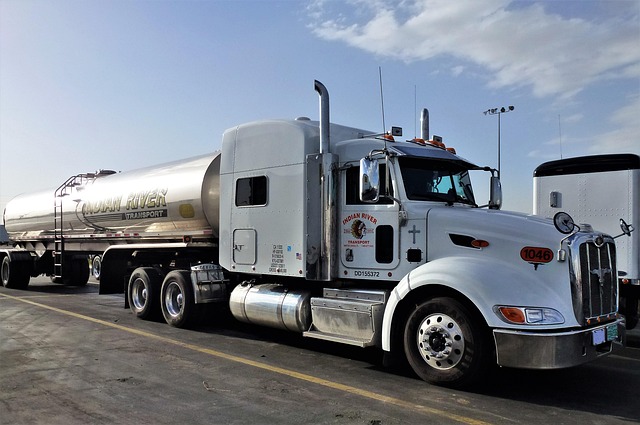
Registering a car in California involves several stringent procedures to ensure vehicle safety and legality. One critical step is the Vehicle Identification Number (VIN) verification process. This checks that your car’s VIN matches the data on record with the Department of Motor Vehicles (DMV). Accurate VIN information is vital for identifying specific vehicle attributes, including its make, model, year, and any recall or safety feature status.
For convenience and speed, many Californians opt for mobile VIN verification services. These services send a professional inspector to your location to perform the check. Using advanced equipment, they can swiftly cross-reference your car’s VIN with the DMV database, ensuring its authenticity. This is particularly beneficial when you’re pressed for time or have a busy schedule. For instance, a study showed that mobile vin inspection services can reduce registration wait times by up to 30%, making the process more efficient for all involved parties.
When conducting a DMV VIN verification, it’s crucial to ensure the inspector has the necessary credentials and uses reliable equipment. Reputable mobile VIN verifiers will be licensed and insured, providing peace of mind during the inspection. They’ll also offer immediate feedback, allowing you to address any discrepancies promptly. Remember, accurate VIN data not only facilitates the registration process but also plays a vital role in vehicle maintenance, safety recall notifications, and insurance claims.
Pay the Necessary Registration Fees

Registering a car in California involves several steps, one of which is paying the necessary registration fees. These fees vary based on factors like the type of vehicle, its age, and whether you’re transferring ownership or registering as a new owner. The California Department of Motor Vehicles (DMV) offers various payment methods, including online, by mail, or in-person at a DMV office. Online payments are typically processed through the DMV’s official website, allowing for a convenient and efficient option. It’s crucial to ensure accuracy during this process, as errors or discrepancies can delay your registration.
For vehicles that require a DMV vin verification, such as used cars, you have the option of conducting a mobile vin verification using specialized apps or tools. Mobile vin verifiers streamline the inspection process by allowing you to check vehicle history and identify any potential issues from the comfort of your smartphone. This digital approach not only saves time but also enhances convenience, particularly for those with busy schedules or limited mobility. Examples include reputable applications that connect directly with the DMV’s database, providing instant and reliable results.
When paying registration fees, consider the advantages of timely submission to avoid penalties and late charges. The California DMV offers several options for making payments, including debit or credit cards, checks, and cash. It’s important to keep records of your transactions and confirmations for future reference and to demonstrate compliance during routine inspections or mobile vin inspections 1-3 times a year, as recommended by the DMV. This proactive approach ensures that you maintain legal registration and avoid any potential issues with vehicle ownership in California.
Receive and Maintain Your Vehicle's Registration Papers

Receiving and maintaining your vehicle’s registration papers is a crucial step after registering your car with the California Department of Motor Vehicles (DMV). Upon completion of the registration process, you’ll be provided with a set of official documents that are vital for your car’s legal operation on California roads. The primary document to focus on is the Vehicle Registration Certificate, which includes key details about your vehicle, such as its make, model, year, and unique Vehicle Identification Number (VIN).
A critical aspect of owning a vehicle in California involves ensuring these papers remain current. The DMV requires annual registration renewals, typically occurring around your car’s anniversary date. During renewal, you’ll need to present a valid VIN inspection or use a mobile VIN verification service to confirm the vehicle’s identity and condition. This process is designed to combat theft and ensure only legitimate vehicles are on the road. For instance, in 2022, California’s DMV reported over 25 million active vehicles registered, emphasizing the need for robust verification methods.
To facilitate this, many Californians opt for convenient mobile VIN verification services. These apps or platforms allow you to quickly and securely validate your vehicle’s VIN with just a few taps on your smartphone. This modern approach streamlines the renewal process, making it accessible and efficient. For example, some popular mobile VIN verifiers offer real-time updates on registration status, helping drivers stay informed and compliant without visiting a DMV office. By embracing these technological advancements, car owners can ensure their registration papers are always in order, reflecting their commitment to responsible vehicle ownership.
Registering a car in California involves a straightforward process that requires preparation and attention to detail. Key insights include gathering essential documents for car registration, visiting your local DMV office, conducting a critical DMV VIN verification, paying corresponding fees, and securing your vehicle’s registration papers. By meticulously following these steps, you ensure a smooth registration experience, confirming your vehicle’s legitimacy and compliance with California regulations. This authoritative guide provides a solid foundation for navigating the process effectively, empowering individuals to successfully register their vehicles with confidence.