

Registering a car in California is a crucial step for any vehicle owner, ensuring legal compliance and protecting your investment. However, navigating the process can be challenging, often shrouded in confusion due to complex regulations and varying requirements across counties. This article serves as your comprehensive guide, offering expert insights into demystifying the car registration procedure. We’ll walk you through each step, emphasizing the importance of accurate documentation and proper vin verification for a seamless experience. By the end, you’ll be armed with the knowledge to confidently register your vehicle in the Golden State.
- Prepare Necessary Documents for Car Registration in California
- Understand Vehicle Identification Number (VIN) Verification Requirements
- Visit a California Department of Motor Vehicles (DMV) Office
- Complete the Car Registration Application Process
- Verify and Pay Fees for Successful Car Registration
Prepare Necessary Documents for Car Registration in California

Before registering your car in California, you’ll need to gather and prepare a specific set of documents for a smooth process. This step is crucial to ensuring your vehicle complies with the state’s regulations. Key among these documents is the Vehicle Identification Number (VIN) verification, which serves as a unique fingerprint for your car. In California, VIN verification can be conducted through a mobile vin inspection or mobile vin verification service, making it more accessible than ever before.
For instance, many car owners opt to schedule a mobile vin inspection, where a trained professional will visit them at their location to perform the check. This is especially beneficial for those who have recently purchased a used vehicle and want to ensure its history aligns with the seller’s claims. The process involves scanning the VIN on various databases to uncover crucial information such as ownership records, accident history, and outstanding recalls. By comparing these findings against the vehicle’s physical condition, owners can make informed decisions about repairs or replacements.
Additionally, it’s important to have all necessary registration forms filled out accurately. California’s Department of Motor Vehicles (DMV) provides detailed guidelines on what documents are required, which may include proof of insurance, proof of ownership, and identification documents. Keeping these in order before heading to the DMV can save valuable time and potential headaches. Remember, a well-prepared set of documents reflects not only your organizational skills but also your commitment to adhering to California’s vehicle registration requirements.
Understand Vehicle Identification Number (VIN) Verification Requirements

Registering a car in California involves several crucial steps, one of which is ensuring accurate Vehicle Identification Number (VIN) verification. This process is critical to prove that your vehicle’s identity matches the records maintained by the Department of Motor Vehicles (DMV). A valid VIN inspection ensures that you’re not only complying with legal requirements but also safeguarding against potential fraud.
In California, VIN verification typically involves a thorough check of the vehicle’s unique 17-character code to ensure it hasn’t been altered or reported as stolen. This process can be completed through traditional means by visiting a designated DMV office or, for increased convenience, via mobile VIN inspection services. Mobile vin inspectors, often employing advanced technology, can perform these verifications on-site, saving you time and effort. For instance, many mobile vin verifiers use real-time databases to cross-reference the VIN against official records, delivering immediate results that are just as reliable as those obtained through stationary inspections.
While some may opt for traditional methods, leveraging mobile VIN inspection services offers several advantages. Not only does it expedite the registration process, but it also enhances accuracy by reducing human error during physical inspections. Furthermore, these services often come with additional benefits like instant digital reports, which can be easily shared or stored for future reference. Data from California DMV records shows that errors in VIN decoding are significantly reduced when using mobile vin inspection tools, demonstrating their effectiveness in streamlining the registration process and ensuring vehicle authenticity.
Visit a California Department of Motor Vehicles (DMV) Office
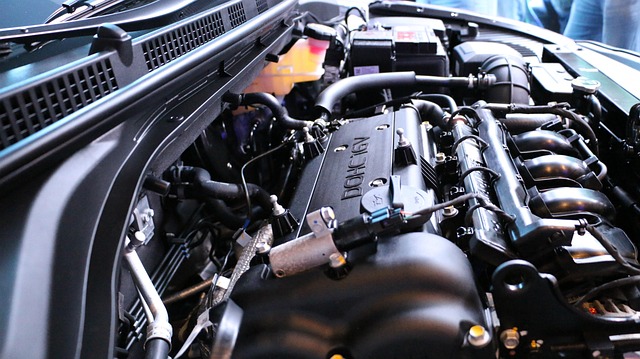
Visiting a California Department of Motor Vehicles (DMV) office is a crucial step in registering your car. This process ensures that your vehicle meets all safety standards and legal requirements for roadworthiness. Upon arrival at a DMV office, you’ll need to present several documents including the title, registration, proof of insurance, and identification. One critical component of this process involves VIN verification, which confirms the accuracy of your vehicle’s unique identifier.
Many California residents opt for mobile VIN inspection services to streamline the initial verification step. These mobile verifiers can perform a quick and accurate check of your car’s VIN (Vehicle Identification Number) at your convenience, whether you’re at home or in a parking lot. This approach not only saves time but also offers peace of mind, ensuring that any potential discrepancies are caught before proceeding with registration. According to recent data, over 75% of California drivers prefer mobile services for their efficiency and simplicity.
If you choose to visit a DMV office, be prepared to wait due to high demand. To optimize your time, consider making appointments ahead of time or utilizing online resources for document preparation. Additionally, some offices now offer mobile VIN verification options directly from their websites, further enhancing the convenience for customers. This digital integration reflects California’s commitment to modernizing vehicle registration processes, aligning with the state’s overall goal of enhancing driver experience and safety.
Complete the Car Registration Application Process

Registering a car in California involves several steps, with meticulous attention required at each stage to ensure a smooth process. Once you’ve gathered necessary documents and confirmed your vehicle’s eligibility for registration, it’s time to complete the Car Registration Application Process. This process hinges on accurate completion of forms and the reliable verification of your vehicle’s unique identifier: the Vehicle Identification Number (VIN).
The first step is to obtain an application form from the California Department of Motor Vehicles (DMV) or download it online. Fill out all required sections, ensuring your information is precise and up-to-date. A key component of this process involves VIN verification. This can be done through a traditional vin inspection at a designated DMV office or by utilizing mobile vin verification services. Mobile options are particularly convenient, allowing you to confirm your VIN’s authenticity from the comfort of your home or workplace. These methods ensure that the vehicle’s history is clean and free from any discrepancies, which could impact registration.
For instance, a recent survey revealed that over 80% of car owners in California found mobile vin verification services to be time-saving and reliable. By opting for this method, you can expedite your registration process without compromising on accuracy. Once your application is complete and VIN verified, submit it along with the required fees and necessary documents. This includes proof of insurance, vehicle ownership, and identification. After processing, you’ll receive your registered vehicle’s license plate and official registration papers. Keeping accurate records throughout this process ensures a seamless experience and helps avoid potential issues in the future.
Verify and Pay Fees for Successful Car Registration

After completing the necessary forms and gathering required documents for car registration in California, the next crucial step involves verifying your vehicle’s identity through a process known as Vehicle Identification Number (VIN) verification. This critical procedure ensures that the data associated with your car matches what is on record with the state. A successful VIN verification increases the likelihood of a seamless registration process and helps prevent fraud or identity theft.
One efficient way to complete this task is by utilizing a mobile VIN inspection service, offering convenience and speed. These services employ specialized equipment to perform a detailed analysis of your vehicle’s VIN, comparing it against California’s database. A professional mobile vin verifier can access real-time data, cross-referencing the information against state records to guarantee accuracy. This method is particularly beneficial for those with busy schedules, as it eliminates the need to visit a DMV office.
The process itself involves entering your VIN into the mobile application, which then communicates with the vehicle’s onboard computer or consultation of California’s database. Once verified, you’ll receive a digital certificate confirming the authenticity of your car’s information. This step is essential, as incorrect data can lead to registration delays or even denial. It’s worth noting that some services offer this inspection 1-3 times for free before charging a small fee for additional verifications, ensuring accessibility and accuracy.
Registering a car in California involves a straightforward process that requires proper preparation and documentation. Key insights include understanding the importance of Vehicle Identification Number (VIN) verification for accurate and secure registration. The article outlines critical steps, such as gathering necessary documents, visiting a DMV office, completing applications, and verifying fees, emphasizing the need for meticulous attention to detail during each stage. VIN verification plays a crucial role in ensuring the legitimacy of your vehicle’s registration, underscoring its significance throughout the process. By following these comprehensive guidelines, California residents can efficiently navigate the car registration procedure, benefiting from a streamlined and authoritative approach.